




Key Takeaways:
- Document Inventory: Ensure no important papers are overlooked, setting the foundation for organized document management.
- Categorize Documents Into Groups: Group your documents, such as personal identification, financial records, and healthcare information, to enable quick access and reduce stress when searching for specific items.
- Implement A Document Maintenance Schedule: Keep your filing system organized by regularly decluttering and adapting it to evolving needs, especially during significant life changes like marriage.
Organizing important documents means sorting, storing, and maintaining your vital personal, financial, legal, and medical records so they are easy to find and protected from loss.
Feeling overwhelmed by the mountain of important files piling up? We've all been there. Between life's major events and the everyday paperwork, organization can feel like an impossible task. But don't worry, you don't need to tackle this all in one go. With intention and the right guidance, you can take control of your documentation chaos. Just like NewlyNamed makes the name change process smoother with our all-in-one kits, organizing your important documents can be a manageable, step-by-step project.
In this article, we'll help you sort through your personal identification, financial records, and more with our top tips for organizing documents. Whether it's for a future milestone or an unexpected emergency, everything you need will be in one place and easy to find. Let's break it down and make sure you're ready for whatever life throws at you, without any last-minute scrambles or frantic searches through forgotten files.
What should be in a document inventory?
A document inventory is a complete list of every important paper you own. Start by gathering all documents in one place — legal name change documents, birth certificates, tax returns, bank statements, and investment records. When in doubt, include it. You can remove items later once everything is visible.
How do I categorize important documents?
Sort your documents into clear categories to make retrieval fast and to surface any gaps or outdated records. Don't aim for perfection on the first pass — the goal is a usable system, not a flawless one. Common categories include:
- Personal Identification Documents: Your passport, birth certificate, Social Security card, and any other documents that verify your identity. Grouping them together means no more searching for your passport when you're trying to book a flight.
- Financial Records: Bank statements, tax returns, investment portfolios, and other financial documents. This will make future financial planning easier and help you stay organized when tax season rolls around.
- Legal Papers: Your will, deeds, or any court-related papers. Keeping these in one place will ensure you know exactly where to turn when you need them.
- Healthcare Information: Medical records, insurance policies, prescriptions, and emergency contacts. It's one of the most important categories to organize, as you never know when you or a loved one will need quick access to this information.
Should I keep digital backups of important documents?
Yes. Digital backups protect you if physical documents are lost, stolen, or destroyed. Scan or photograph each document and upload to secure cloud storage. Use a service with encryption and two-factor authentication. Digital copies are accessible from anywhere and serve as a reliable backup to your physical files.
By setting up a thorough document inventory and embracing the digital age with paperless backups, you're setting yourself up for success.

Which documents should I keep, and for how long?
Organizing important documents is a two-fold process: first, deciding which ones to keep, and second, determining how long to retain them. It's easy to accumulate paperwork, but not all of it needs to be kept forever. Here's a straightforward guide to help you organize household documents and ensure you're only holding onto what's truly necessary:
- Vital Records: Think birth certificates, marriage licenses, and divorce decrees. These should always be kept forever as originals. For added security, consider a fireproof safe or digital storage with multi-factor authentication.
- Property Records: Deeds, titles, and mortgage documents top your list here. You'll want to hold on to the original paper versions of these documents for the long term, just in case you need them for property transactions, loans, or disputes.
- Tax Returns: Keep at least seven years' worth for personal reference and compliance with tax laws. The IRS has a three-year audit window, extending to six years if there's a significant error.
- Financial Statements: Monthly or quarterly statements from your banks or brokerage accounts should be kept until you verify your balances and confirm their accuracy. You should also retain your pay stubs. You can keep them for a year to check your accounts and as proof of income. Shred them after you're done with them, and back up any digital versions securely.
- Insurance Policies: Store the most current home, auto, and health insurance policies. Outdated or canceled policies can be discarded, but current ones are vital for claims or adjustments.
- Health Records: Health insurance records should be kept for as long as you're covered, while medical records should be kept indefinitely.
- Legal Documents: Any documents related to lawsuits, custody agreements, or ongoing proceedings are essential. You'll want these handy for as long as any case is active.
By managing and maintaining your important documents in a clear, organized way, you'll feel more secure and prepared for life's uncertainties. It's all about finding the right balance between keeping essential documents and eliminating what you no longer need. Regularly review and update your files to ensure you're only holding onto what's necessary, preventing clutter.
How do I create and maintain a filing system for important documents?
A good filing system starts with broad categories — personal identification, finances, medical records, and home-related paperwork — then breaks each into subcategories. For example, personal identification might contain passports, birth certificates, and Social Security cards. Use color-coded folders or labels to make categories visually distinct and easy to scan.
Within each main category, break things down further into subcategories. For example, you might have sections for passports, birth certificates, and Social Security documents under personal identification. You can add color-coded folders or labels to visually distinguish between categories, making your filing system even more user-friendly.
How do I keep my filing system flexible as life changes?
While setting up your system, keep in mind that flexibility is key. Your document needs will evolve, whether you're growing your family, moving into a new home, or initiating a name change. Your filing system should be simple enough to adjust as life changes, but still provide the structure you need to stay organized and reduce stress.
How often should I review my important documents?
To maintain your filing system's effectiveness, create a regular maintenance schedule. It could be every three months or just a few times a year; the key is staying consistent. Use this time to review your documents for accuracy, declutter outdated papers, and adjust your filing system as needed. This routine will ensure your system remains up-to-date and functional.
When should I declutter my document files?
During your regular document maintenance sessions, remove unnecessary items like old utility bills or expired warranties. If your life circumstances have changed (e.g., you've started a side hustle), upgrade your filing system with new folders or categories. Regularly revisiting your document organization gives you peace of mind, knowing everything is in order and easily accessible. This will help you feel more in control during big transitions.

Why is organizing important documents valuable?
Organized documents save time and reduce stress during major life events — name changes after marriage, merging finances, applying for loans, filing taxes, and handling medical emergencies. When records are easy to find, you spend less time searching and more time acting. Here are common situations where organized documents make a direct difference:
Marriage And Name Changes
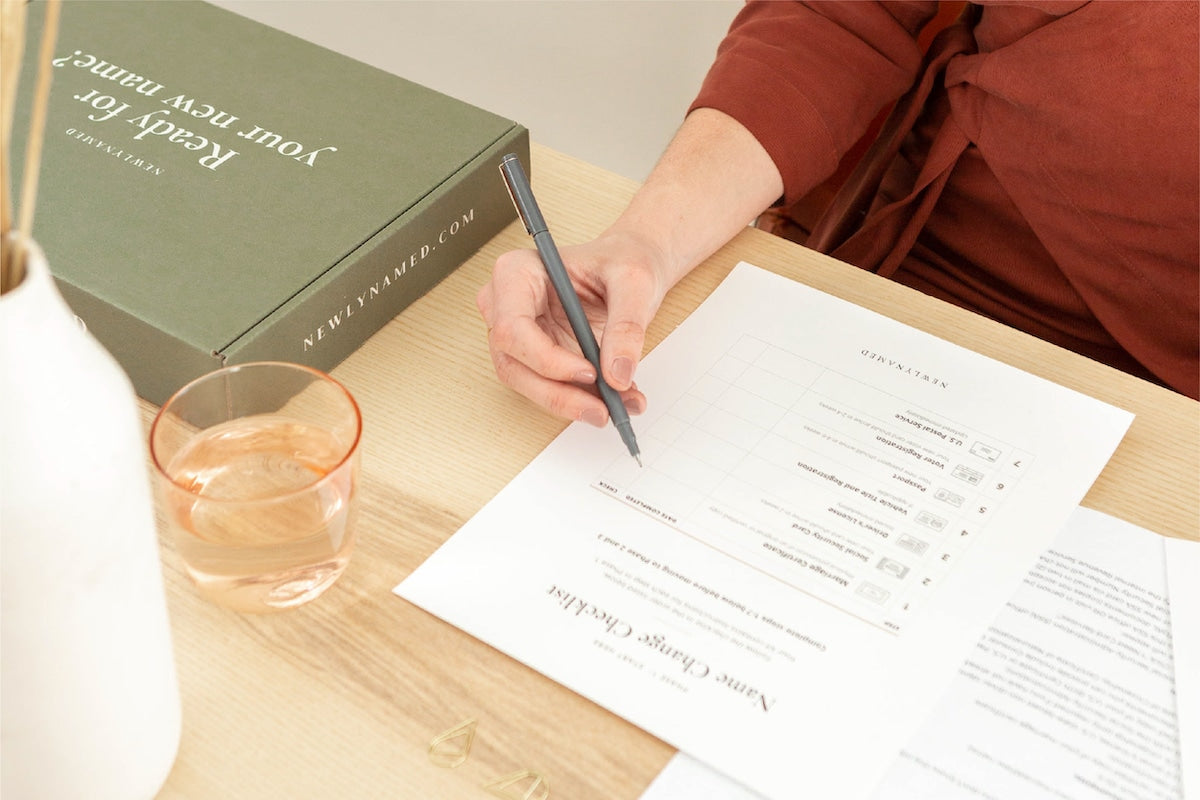
After marriage, many couples decide to share a last name or consolidate financial responsibilities. If this sounds like you, then you'll definitely want to have easy access to your vital records. Trust us, it'll make these processes so much simpler. For example, updating your records will require your birth certificate, passport, and Social Security card. Tools like a personalized name change kit from NewlyNamed can make this process a breeze by guiding you step-by-step on how to update all of your important documents, from government forms to bank accounts, all in one place. The box includes pre-filled applications, clear instructions, and a comprehensive name change checklist, ensuring you don't miss a single detail.
Merging Finances
One of the next big steps after marriage is merging your finances. Whether you're figuring out how to combine finances after marriage or simply organizing your accounts, it's essential to have all financial records organized and easily accessible. Documents like bank statements, tax returns, insurance policies, and credit reports will play a major role as you set joint budgets, open accounts together, and plan your financial future. With clear records, you'll spend less time hunting for information and more time making strategic financial decisions as a couple.
Everyday Convenience
Organizing your documents is useful beyond big life changes. Whether you're filing taxes, applying for a home loan, or managing insurance claims, having everything neatly categorized saves you from scrambling for papers during crunch time. Well-organized documents, from your birth certificate to your latest financial statement, create a strong foundation that supports you in big and small moments, ensuring you're always prepared for whatever comes your way.
Creating a well-organized document system is about being proactive and prepared. Whether you're tackling a name change after marriage or planning for future financial goals, having everything in order makes life's transitions easier and more efficient.

Final Thoughts
By organizing your documents now, you'll save time, stress, and frustration in the future. Whether you're preparing for a name change after marriage, merging finances, or simply making sure you have access to crucial records, a well-organized system ensures a streamlined process. And remember, using tools like our NewlyNamed Box can simplify your life even further, taking the hassle and guesswork out of updating your name. For more tips on how to be fully prepared for each new chapter in life, make sure to check out our blog!
Read also:
- How To Change Your Name After Marriage [2026 Guide + Printable Checklist]
- The Ultimate Emergency Binder Checklist: What To Include
- Updating Credentials And Documents After A Name Change
Frequently Asked Questions About Organizing Important Documents
Can I use mobile apps or software to help organize my documents?
Yes. Mobile apps and software can scan, categorize, and store documents securely in the cloud, making them easy to retrieve from any device. Look for apps with strong encryption to keep your documents private and protected.
What's the difference between archiving and organizing documents?
Organizing documents means categorizing and storing them for easy, active retrieval. Archiving means preserving documents that are no longer in regular use but may be needed for historical reference or legal compliance. Archived documents are typically stored in long-term solutions and accessed less frequently.
How should I handle sensitive or confidential documents?
Store physical copies of sensitive documents in a fireproof safe. For digital copies, use reputable cloud storage with encryption. Back up files regularly and share them only on a need-to-know basis using encrypted methods.
How can I ensure my documents are organized in a way others can understand?
Use a clear, consistent naming convention and label folders intuitively. Create a one-page document outlining your filing system so a spouse, sibling, or trusted person can navigate it easily.
What should I do with documents that are no longer needed?
Shred paper documents and securely delete digital files before discarding them. Always verify you are not legally required to retain a document before disposing of it.
How can I protect my important documents from damage or loss?
Store physical documents in a waterproof and fire-resistant safe. Digitize important documents and back them up in multiple secure locations, including encrypted cloud storage. Regularly update backups to ensure they reflect your current records.
What is the best way to store important documents at home?
The most reliable approach is a dedicated physical binder or organizer combined with digital backups. DailyDocs by NewlyNamed is a document organizer designed to store life's most important records — including vital documents, financial papers, and legal records — in one secure, organized place. For digital copies, use encrypted cloud storage with two-factor authentication.

![7 Best Name Change Services After Divorce [2026 Rankings]](http://newlynamed.com/cdn/shop/articles/7_Best_Name_Change_Services_After_Divorce_2026_Rankings-4148099.png?crop=center&height=960&v=1772226618&width=1920)
