




Key Takeaways:
- Storing Important Documents: Storing important documents at home can be streamlined with the right tools and strategies, ensuring they are safe and accessible when needed.
- Using Various Storage Methods: A balanced approach to document storage involves using both physical and digital methods, with critical originals kept in a secure, fireproof safe and digital backups stored in encrypted cloud services.
- Establish A Document Routine: Establishing a home document command center and an annual "Shred and Update" routine helps maintain organization and protect against identity theft and document loss.
The best way to store important documents at home is a combined physical and digital approach: keep originals in a fireproof, waterproof safe, and maintain encrypted digital backups in a secure cloud service. For day-to-day organization, a labeled binder system — such as the DailyDocs Document Organizer by NewlyNamed — keeps vital records accessible and arranged by category.
Whether you're a newlywed with a fresh name change, a divorcee starting over, or someone navigating a court-ordered identity shift, keeping your vital papers safe and organized doesn't have to be a frustrating process. With a little guidance and the right tools, you can ensure you know exactly where your documents are when you need them in a pinch.
Here at NewlyNamed, we're all about making life's big transitions smoother — from name changes to the everyday organization of your personal records. In this guide, we'll show you how to safely store your important documents at home, whether through the DailyDocs Document Organizer or practical strategies that are easy to implement.
Why does proper document storage matter?
Your vital documents — legal name change records, birth certificates, Social Security cards — prove who you are and where you stand legally. Misplace them, and you're left grinding through red tape to replace what should have been right at your fingertips.
When everything is organized, you're not scrambling through drawers or digging through boxes during crunch time. You're in control, ready to tackle whatever comes next — whether it's updating your identity or proving your legal status.

Paper vs. digital: what is the best way to store documents at home?
Choosing between physical and digital document storage — or knowing how to combine both — is the foundation of any home filing system. Here are the pros and cons of each option:
What are the advantages of keeping paper documents?
Physical copies are immune to hacking, server crashes, and power outages. There's real security in holding an original marriage certificate or Social Security card in your hands, knowing it isn't dependent on internet access or a working device.
What are the risks of paper document storage?
Paper can tear, fade, or be destroyed in a flood or fire faster than you can react. Without an organized system, locating a single critical form among stacks of old bills and receipts can take hours.
What are the advantages of digital document storage?
Digital storage offers convenience and redundancy. Scan your documents, upload them to a secure cloud service with encryption and two-factor authentication, and you have access from anywhere with internet. It's especially useful for sharing files quickly with a government office or financial institution.
What are the risks of digital document storage?
A phishing attack or weak password can expose your most personal information. Without an offline backup, a corrupted hard drive can wipe everything instantly.
Should I use both paper and digital storage?
Yes — a combined approach is the most secure option. Keep originals of your most critical documents (birth certificates, legal name change forms) in a fireproof, waterproof safe. Create digital copies as a backup in encrypted cloud storage with two-factor authentication. This gives you redundancy against both physical disasters and digital threats.

How should I store marriage licenses and name change documents?
Marriage licenses and legal name change records are identity documents — losing them means navigating a lengthy replacement process. Here's how to store them securely:
- Store originals in a fireproof, waterproof safe: Choose a discreet location — a closet shelf or under heavy furniture — away from obvious spots or potential hazards.
- Create high-quality digital backups: Scan documents and upload them to a secure cloud service with strong encryption. Password-protect the files with a long, unique passphrase.
- Keep certified physical copies in a secondary location: Store a second set in a locked filing cabinet or at a trusted family member's home. If one set is lost or damaged, you have a backup ready.

How do I create an annual "Shred and Update" routine?
An annual document review — a "Shred and Update" routine — keeps your filing system current, eliminates clutter, and protects against identity theft. Here's how to set it up:
When should I schedule my document review?
Pick a date that recurs naturally — the first weekend of the new year or right after tax season, when you're already in a paperwork mindset. Mark it on your calendar every year to make it a ritual.
What documents should I shred?
Start with old utility bills, expired warranties, and receipts that have accumulated in desk drawers. If it's not a core document — birth certificate, passport, insurance policy — ask yourself whether you truly need it. If not, shred it.
What should I check during my annual document review?
Pull out your stored important documents and check expiration dates on your driver's license, passport, and insurance policies. Set reminders for upcoming renewals. Confirm that all documents reflect your current legal name and address.
What documents should I digitize?
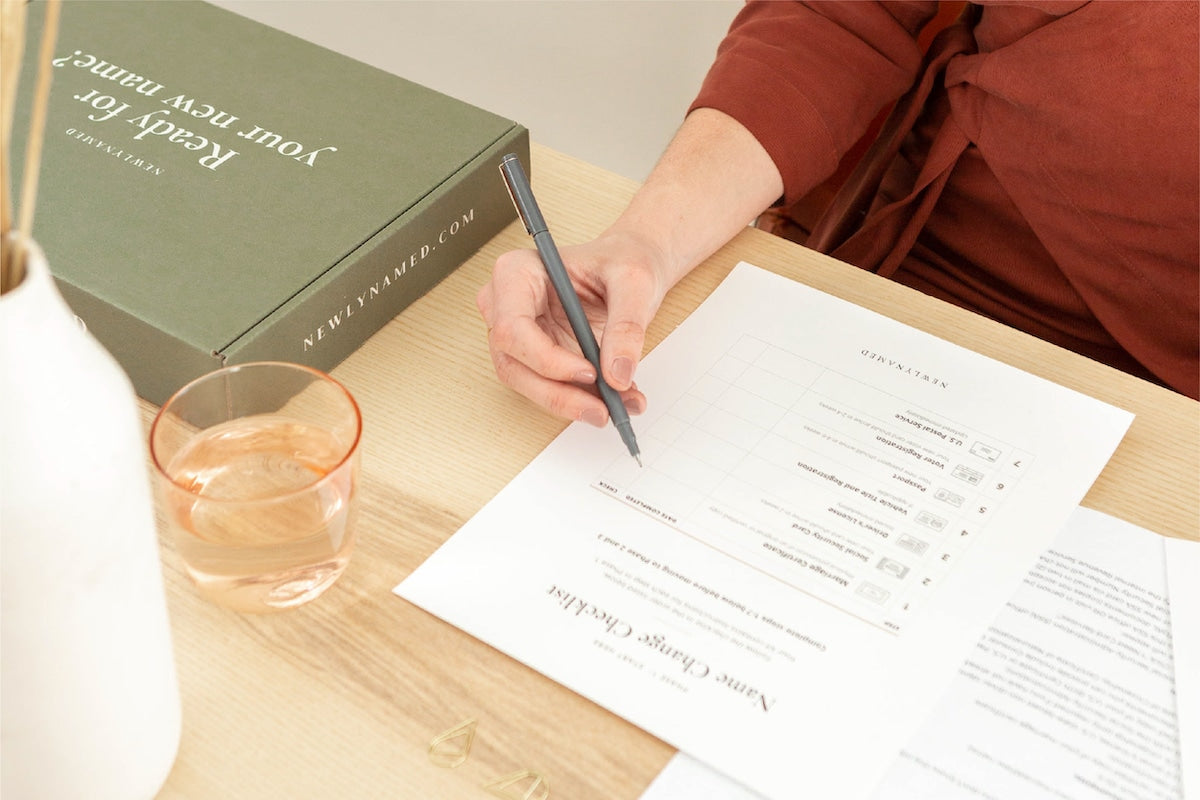
Scan the essentials and store them in a secure, password-protected cloud service or encrypted external drive. Label files clearly — "2026 Insurance Policy" or "Passport Scan" — so nothing requires guesswork later. A name change checklist can help you identify which documents need to be digitized and kept current.
Final Thoughts
With a sturdy safe, a smart filing system, or a trusty lockbox, you have the tools to keep document chaos at bay. And if you're navigating a name change after marriage, divorce, or a court order, NewlyNamed is here to lighten the load.
Our kits — whether the physical NewlyNamed Box or the Print at Home option — streamline the process with pre-filled forms and clear instructions for every agency and account, from Social Security and passports to banks and beyond, all handled with SSL encryption for your security.
Tuck those important documents away safely, knowing we've got your back on the identity front.
Read also:
- Free Emergency Action Plan Template For Families & Households
- Wedding Planning Basics Every Couple Should Know
- The Smart Way To Plan Your Wedding Budget
Frequently Asked Questions About Safely Storing Important Documents At Home
What types of documents should I store safely at home?
Important documents to store safely at home include your Social Security card, passport, birth certificate, marriage or divorce papers, court orders for name changes, bank statements, tax returns, and insurance policies. Store originals in a fireproof, waterproof safe and keep digital backups in encrypted cloud storage.
Where is the safest place to keep important documents at home?
The safest place is a fireproof, waterproof safe bolted to a wall or floor in a discreet location — inside a closet or under a shelf, away from obvious spots. Pair it with encrypted cloud backups using two-factor authentication for a complete protection strategy.
How do I choose a secure safe for my documents?
Look for a fireproof and waterproof safe large enough to hold documents flat without folding. Choose a combination lock or digital keypad over a simple key lock. Bolt it to a wall or floor so it cannot be easily removed.
How should I organize important documents for easy access?
Use labeled folders or dividers organized by category — identification, legal documents, financial records, and healthcare documents. Store originals in your safe and keep digital scans as backups on an encrypted drive or cloud service. DailyDocs by NewlyNamed is designed to keep vital records organized and accessible in one place.
What is the best way to protect documents from water damage?
Store documents in a waterproof safe or waterproof storage box. If that is not available, seal documents in heavy-duty plastic bags or waterproof pouches. Keep storage locations elevated and away from basements or flood-prone areas.
How can I protect documents from theft?
Store documents in a safe bolted to a wall or floor so it cannot be removed. Keep the location private — even among friends and family. Consider a home security system or cameras for additional peace of mind. Avoid storing sensitive documents in obvious locations like desk drawers or open shelving.
![7 Best Name Change Services After Divorce [2026 Rankings]](http://newlynamed.com/cdn/shop/articles/7_Best_Name_Change_Services_After_Divorce_2026_Rankings-4148099.png?crop=center&height=960&v=1772226618&width=1920)

